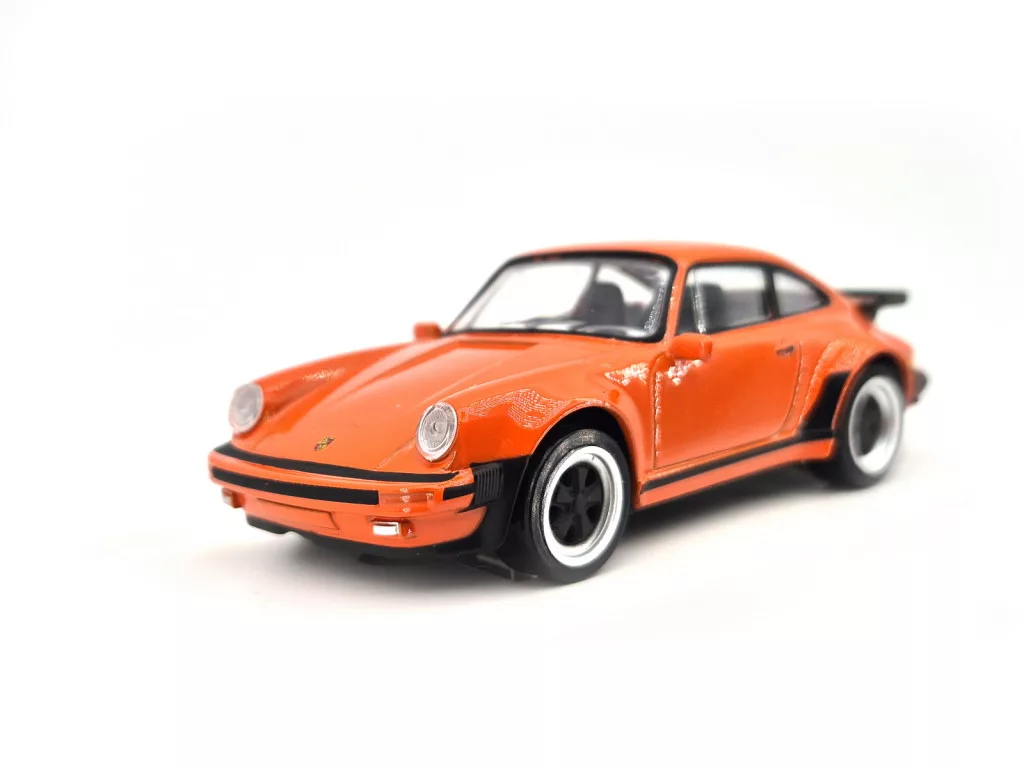
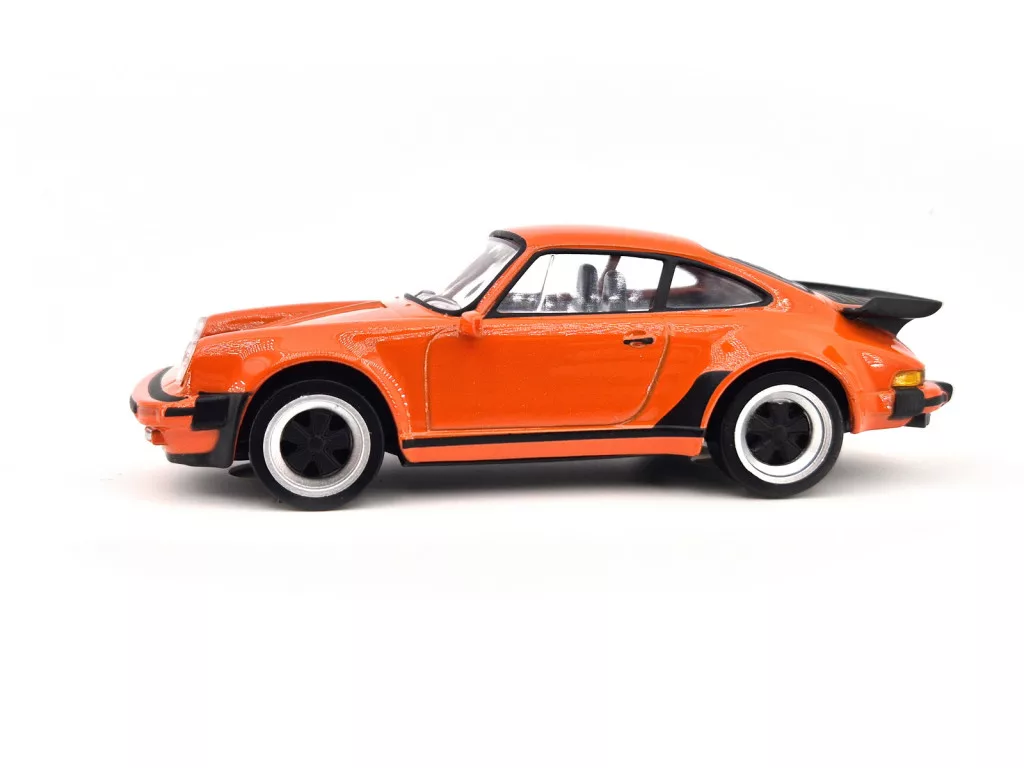
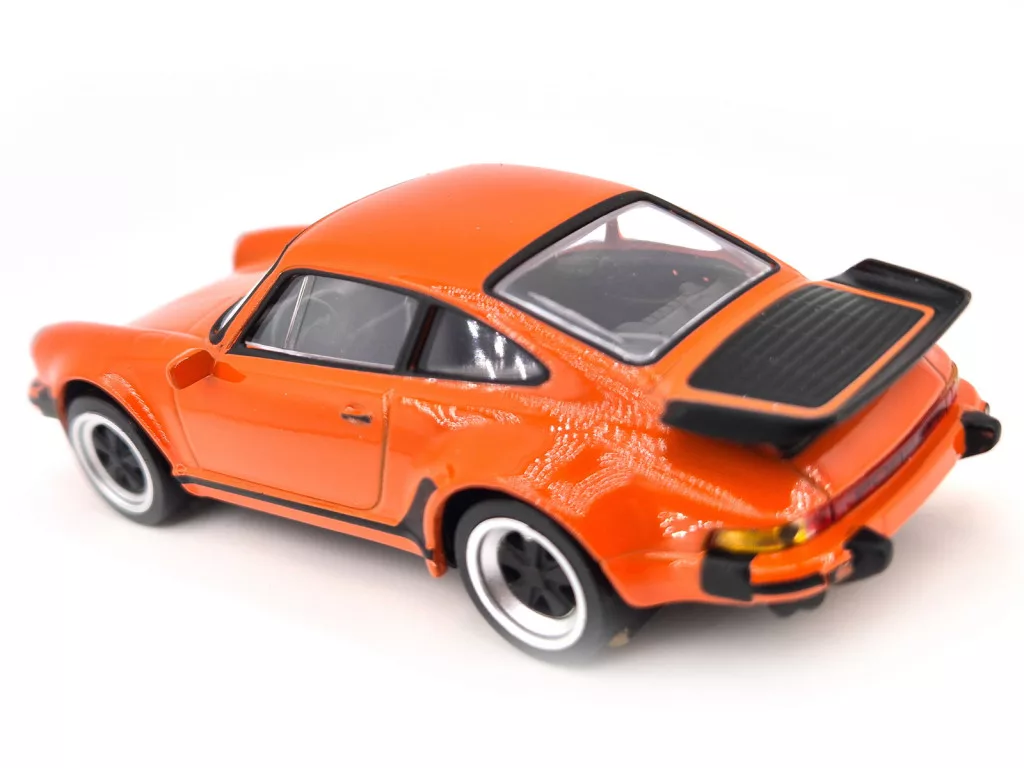
The arrival of the Porsche 911 930 Turbo in 1975 marked a genuine turning point in the automotive industry: it was one of the first production passenger cars to be fitted with a turbocharger. The 3.0-litre flat-six engine producing 260 horsepower with the help of the turbo was a staggering figure at the time, and the contemporary press simply dubbed the model "Der Widowmaker." The nickname was no coincidence: the turbo characteristically came in late and abruptly, and few drivers could truly keep the rear-wheel-drive, rear-engined car in check under such conditions. The widened wheel arches, the upward-curving rear whale-tail spoiler, and the wide tyres not only gave the 930 series a dramatic appearance but were also functionally necessary to manage the increased power.
Production of the 930 series continued until 1989 with various engine variants — the 3.0-litre unit was later replaced by a 3.3-litre version with improved cooling and an intercooler — but the 1976 model year is particularly sought after by collectors, as it is the purest embodiment of the early, "raw" turbocharged 911 character. In the mid-seventies, Porsche was not simply trying to build a faster 911: with the 930 Turbo, the brand demonstrated that turbo technology derived from motorsport was viable on public roads. The widened bodywork and aggressive proportions continue to influence the 911's design to this day.
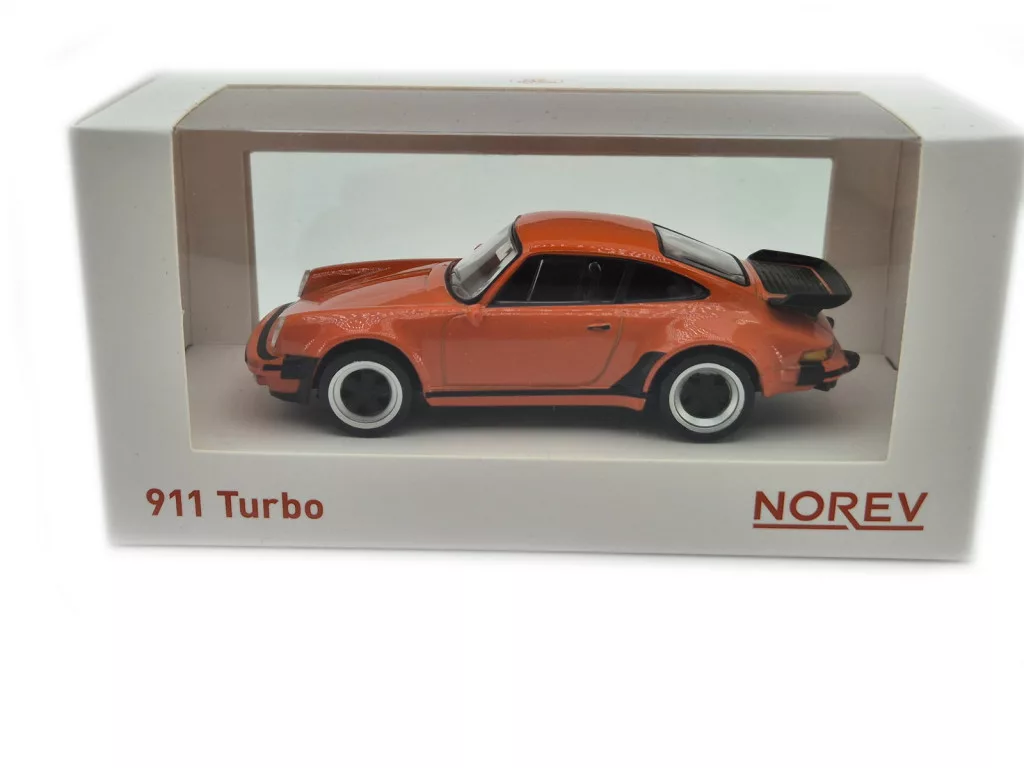
French model manufacturer Norev reproduces the distinctive features of the 930 Turbo in 1:43 scale with a level of detail that is noteworthy for this size category. The 1:43 scale means the model is approximately 9–10 centimetres long, fitting neatly on a shelf or in a display case — this scale is traditionally one of the most popular among European collectors, as a smaller cabinet can hold many pieces, yet it is large enough for the bodywork lines, the distinctive rear wing, and the widened wheel arches to be clearly appreciated. The orange colour is no random choice: it was one of the most characteristic Porsche shades of the seventies, and it suits the character of the 930 Turbo — that particular "all or nothing" attitude — especially well. The model is non-opening, so the focus in its execution is on the bodywork proportions and exterior details rather than the interior.
For anyone collecting the development history of the Porsche 911, the 930 series is the missing link connecting the character of the original 911 to the modern turbocharged 911s. The Norev 1:43 model captures a specific model year and a specific moment: the 1976 state of affairs, when turbo technology still felt experimental on the road, yet the 930 Turbo showed that the future was heading in this direction.