The Toyota Supra MKIV, also known as the A80 generation, is more than just a Japanese sports car – it became the symbol of an entire era. The fourth generation, introduced in 1993, made a radical break from its predecessor: the platform previously shared with the Celica was replaced by a completely independent construction, centered around the legendary 2JZ-GTE engine. This inline six-cylinder, twin-turbo powerplant produced 320 horsepower in stock form, but the tuning industry quickly discovered that the engine's internal architecture allowed for virtually unlimited power gains with minimal internal modifications. It is no coincidence that the 2JZ-GTE remains one of the most referenced engines in tuning culture to this day, and the Supra MKIV became globally recognized among those seeking the pinnacle of Japanese automotive engineering.
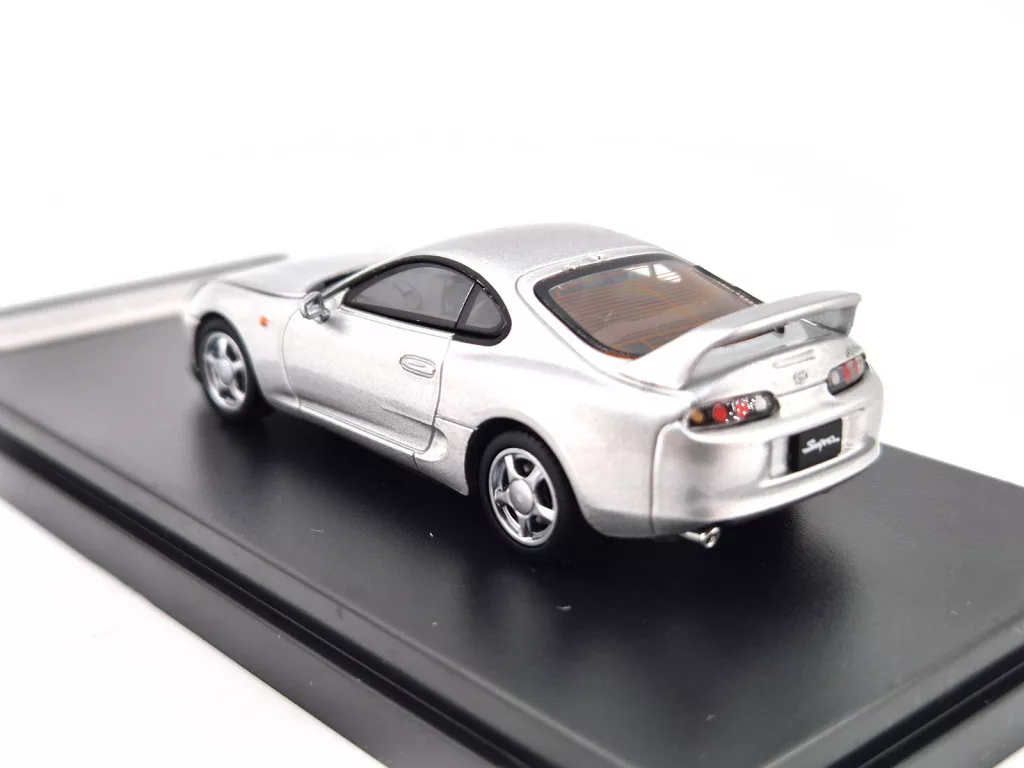
In designing the A80 Supra, Toyota deliberately aimed to compete with the Porsche 911 and Ferrari's lineup of the time – in both driving dynamics and quality. The body's distinctive lines, the long hood, the slightly fastback coupe shape, and the massive rear spoiler (on turbocharged variants) create a unique silhouette that remains instantly recognizable three decades later. Production continued until 2002, and the number of units built remained relatively low compared to other cars in the segment, which over time significantly drove up prices for well-preserved examples – particularly in the Japanese and North American markets. Today, a good-condition, low-mileage Supra MKIV holds considerable collector value.
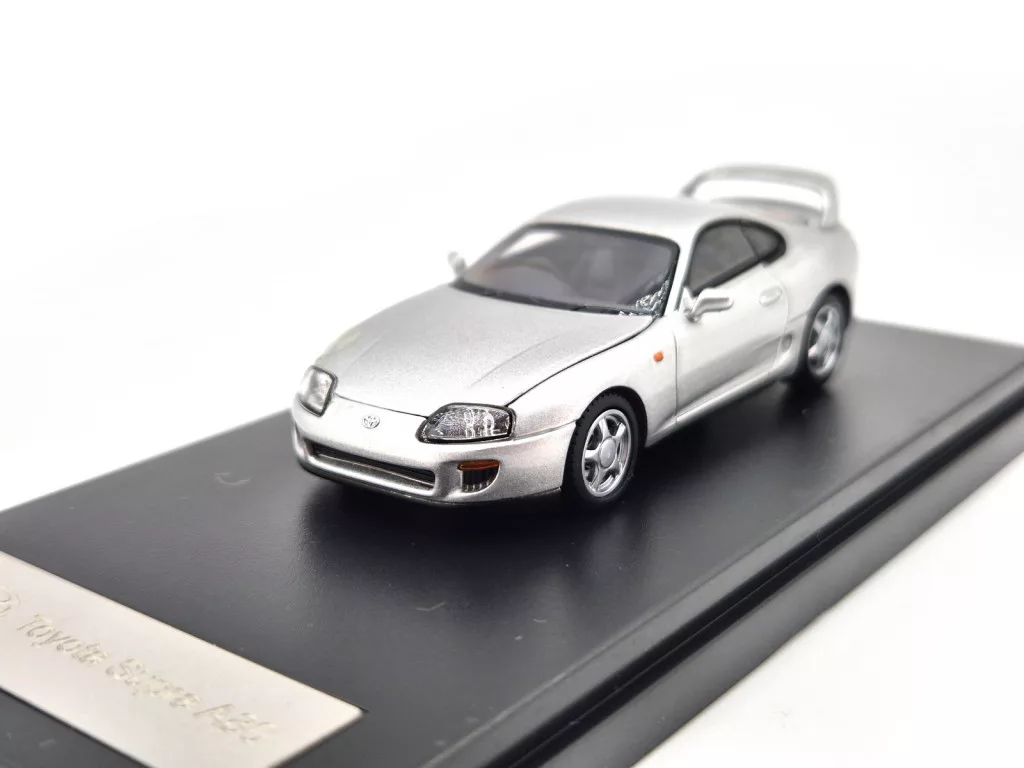
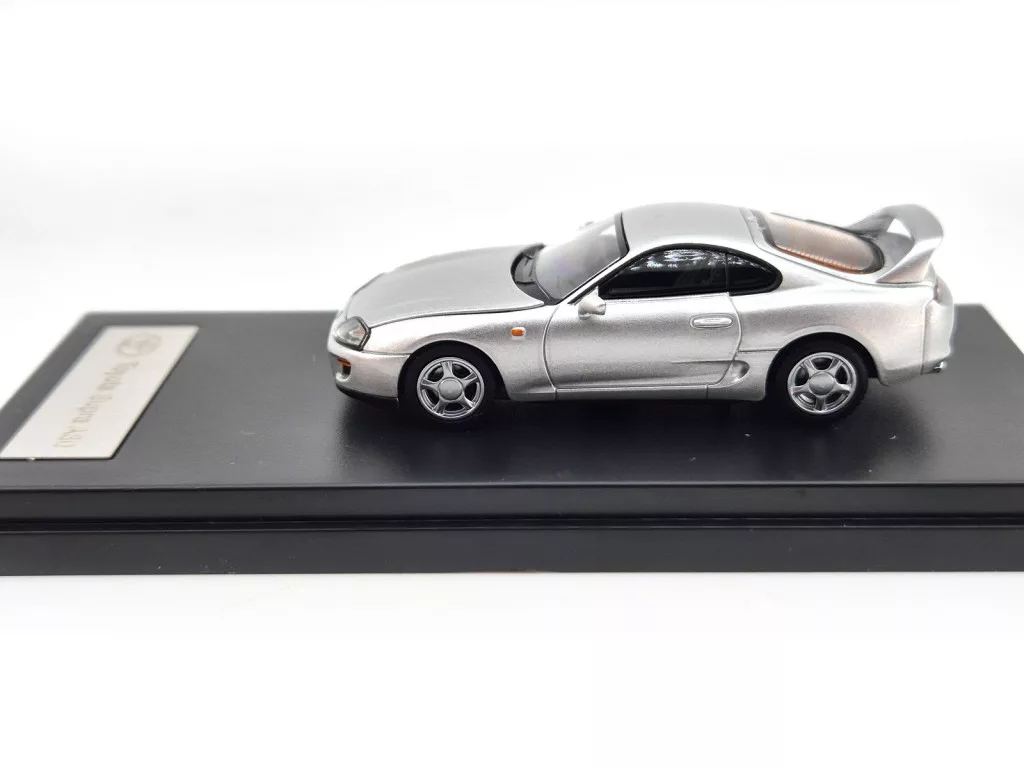
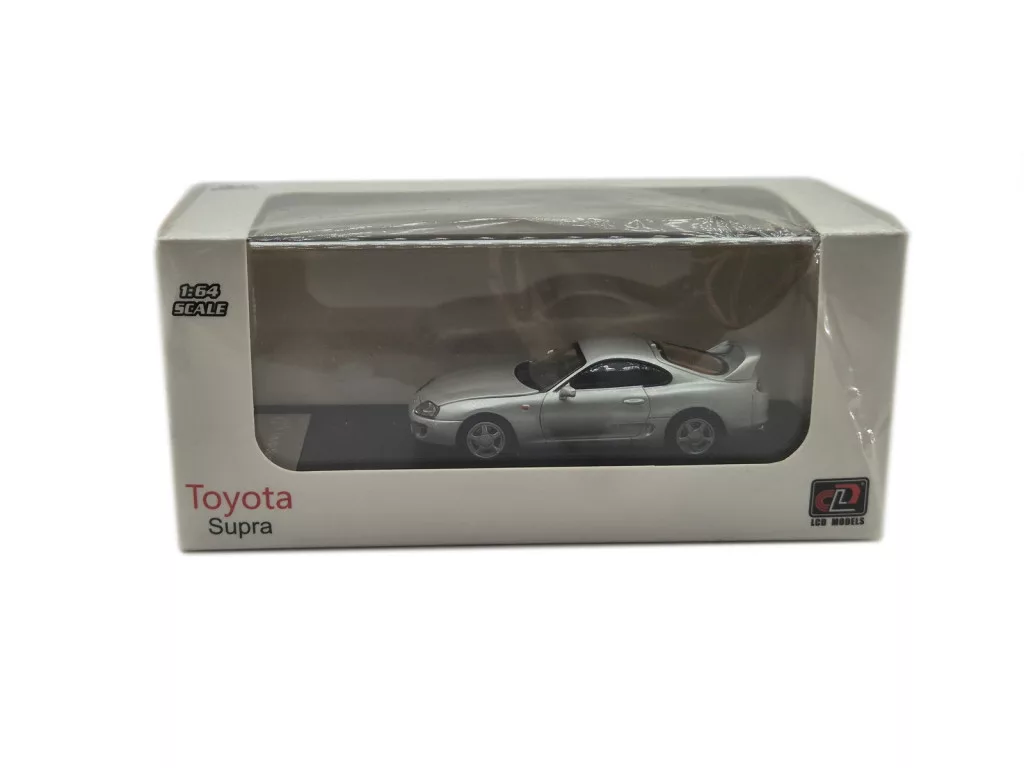
The 1:64 scale model produced by LCD Models offers an accessible entry point into this appealing subject in a compact, hand-sized form. The 1:64 scale – made famous worldwide by Matchbox and Hot Wheels – means the model typically measures around 6–7 centimeters in length, fitting easily in the palm of a hand, a display case, or even a small corner of a shelf. At this scale, LCD Models recreates the Supra's defining characteristics – the long nose, the coupe roofline, and the overall proportions – in miniature form. The boxed packaging makes both storage and display straightforward.
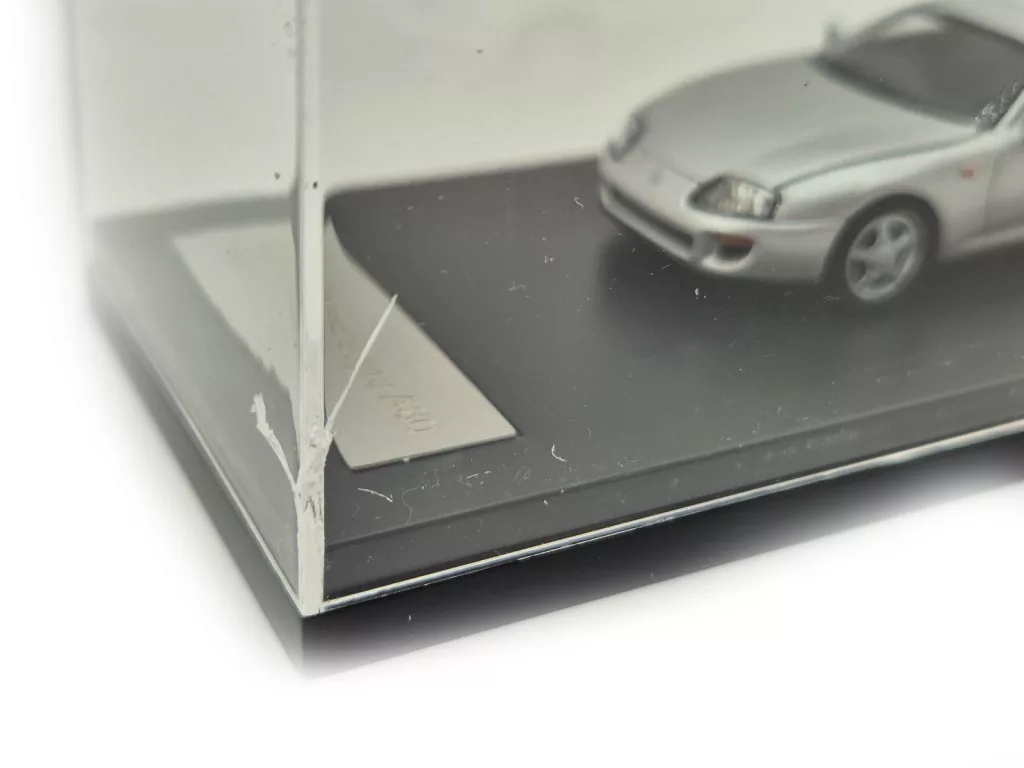
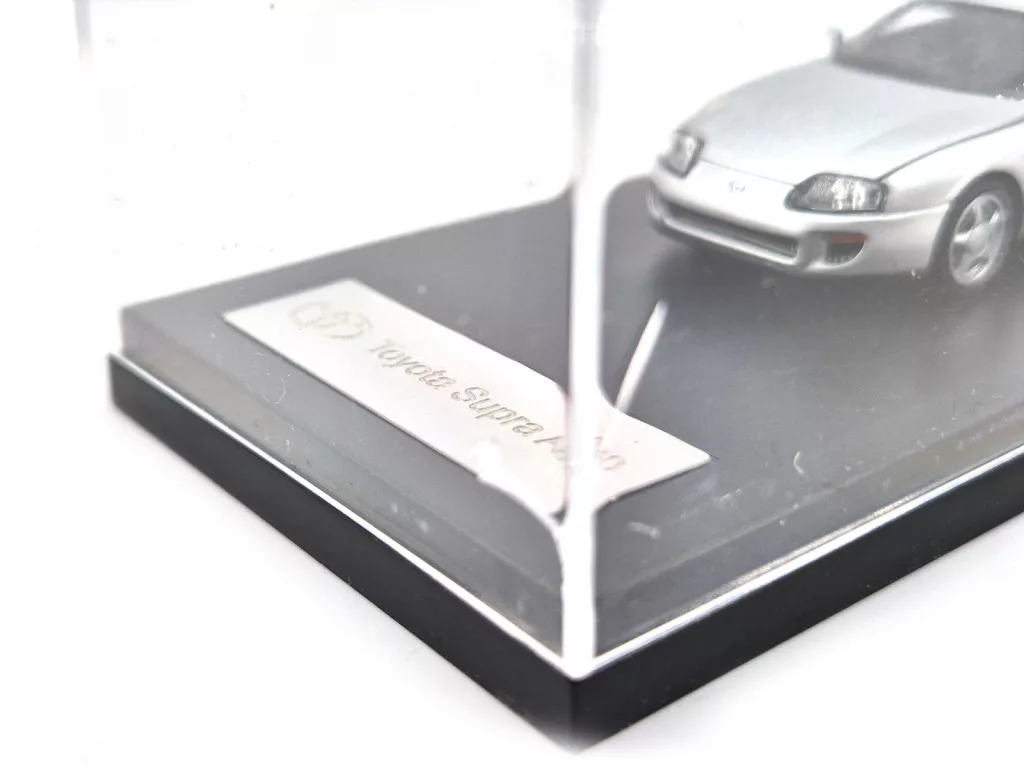
It is worth noting that according to the product description, the display case has a crack, which is an important consideration before purchasing – especially for those who regard the packaging as part of the collection itself. For those who intend to display the model on its own or place it in a collection, this circumstance is less likely to affect their decision. The Toyota Supra MKIV (A80) is a subject that resonates not only with JDM enthusiasts but also with fans of nineties sports car culture and the icons made famous by films and video games – and the LCD Models 1:64 edition is a tangible, shelf-ready piece of that legacy.