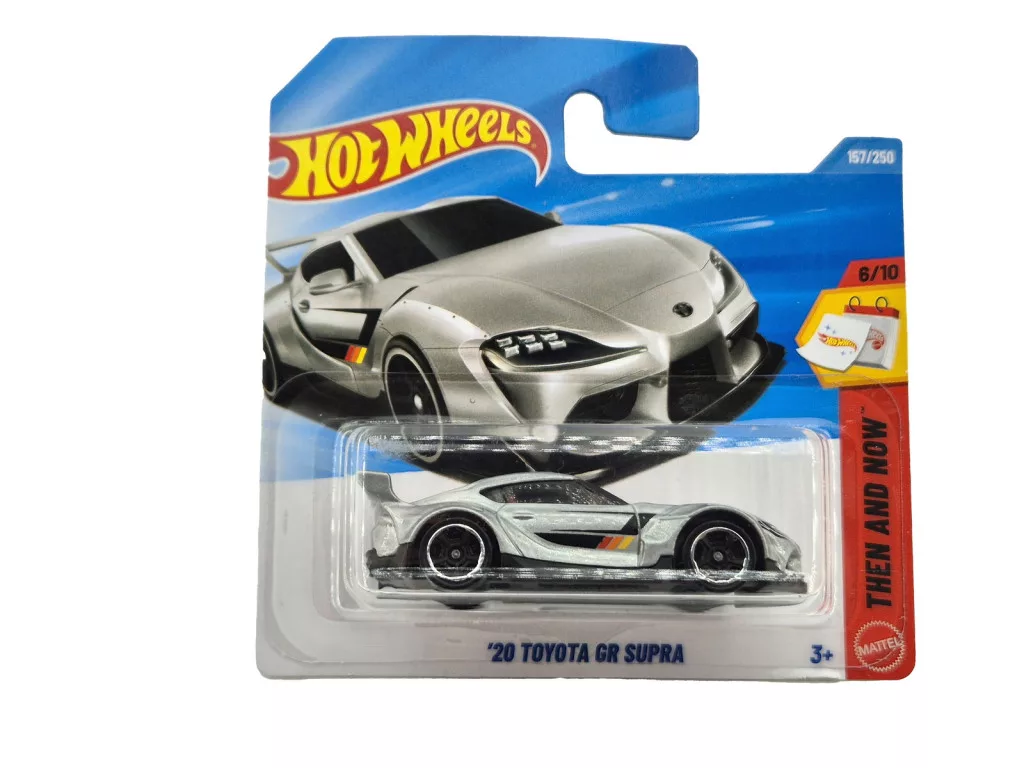
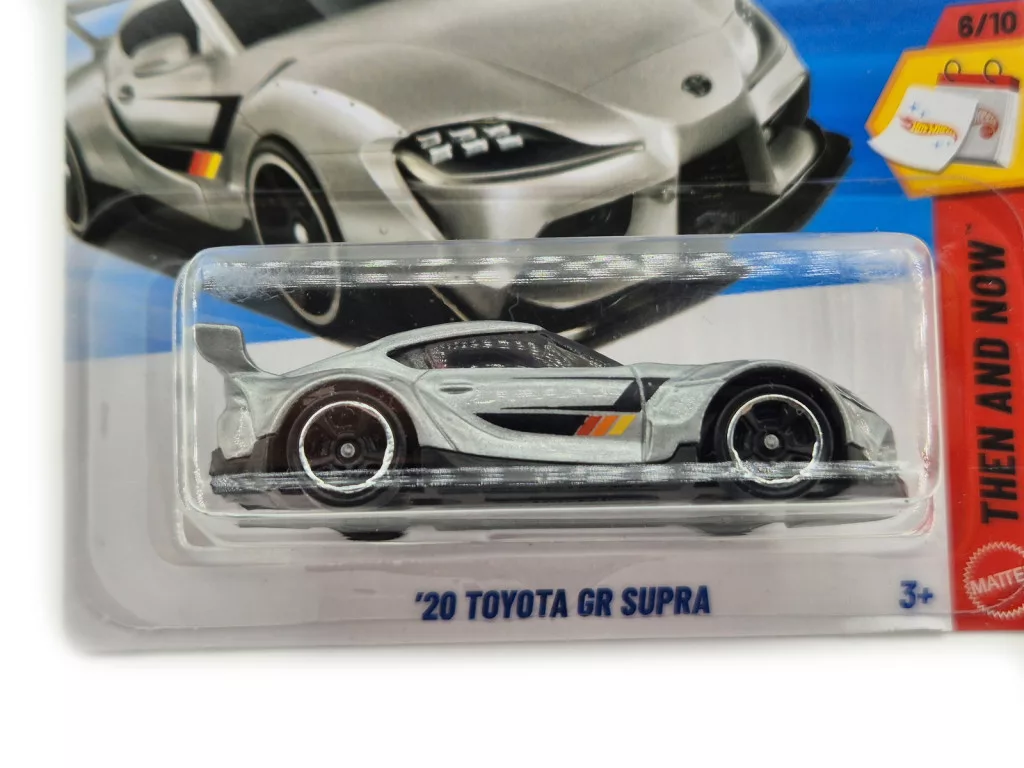
The name Toyota Supra evokes an entire era on its own: the A80 generation, produced between 1993 and 2002, became one of the most iconic figures in Japanese sports cars — partly thanks to the Fast and Furious film series, but primarily because of its 2JZ-GTE engine, which could be tuned with a turbo to produce up to 320 horsepower. When Toyota announced the return of the Supra name after a decade-long hiatus, fans greeted the news with mixed feelings — the A90 GR Supra, which debuted in 2019, was the result of a joint BMW–Toyota development, built on the Z4 platform with a BMW B58 inline-six engine. This collaboration raised questions for many about brand identity, yet the car's performance — nearly 340 horsepower in the base version, referring to the GR Supra 3.0 — ultimately won over even the skeptics.
The 2020 Toyota GR Supra was launched both domestically and internationally as the flagship of the Gazoo Racing division — Toyota's motorsport arm, which also oversees programs such as the GR Yaris and the development of Le Mans prototypes. The bodywork of the A90 Supra deliberately echoes the muscular, curved lines of the A80 generation: the wide rear fenders, short wheelbase, and long hood all suggest that the designers did not forget where the name came from. The model arrived exclusively as a two-seat coupe with no open-top variant, further emphasizing that this is a purely sport-oriented construction.
The concept of the Hot Wheels Then and Now series is built around presenting different generations of a car brand or model family side by side, allowing collectors to visually appreciate how a given shape has evolved over the decades. The 6/10 position in this series represents the 2020 GR Supra, and the logic of the series implies that the classic A80 — or perhaps an even earlier Supra generation — also finds its place alongside it. This context is what makes the piece truly interesting: it does not stand alone, but is part of a larger narrative. The Hot Wheels serial number 157/250 indicates its position within the annual mainline release.
The 1:64 scale represents the most common format used by both Hot Wheels and Matchbox, in which an average passenger car appears as a roughly 7–8 centimeter model — a size that fits in the hand or pocket, yet holds its own on a display shelf. The small card blister packaging is the original, iconic Hot Wheels presentation format, which makes both display and archiving easier for collectors. The model features no opening doors or hood, which is standard in the 1:64 category — at this scale, the emphasis is on shape accuracy and paintwork. The distinctive lines of the GR Supra — the curved roofline, wide hips, and forward-set engine bay — remain recognizable even at this size, partly because the A90 generation's design was inherently bold and easy to read as a silhouette.